
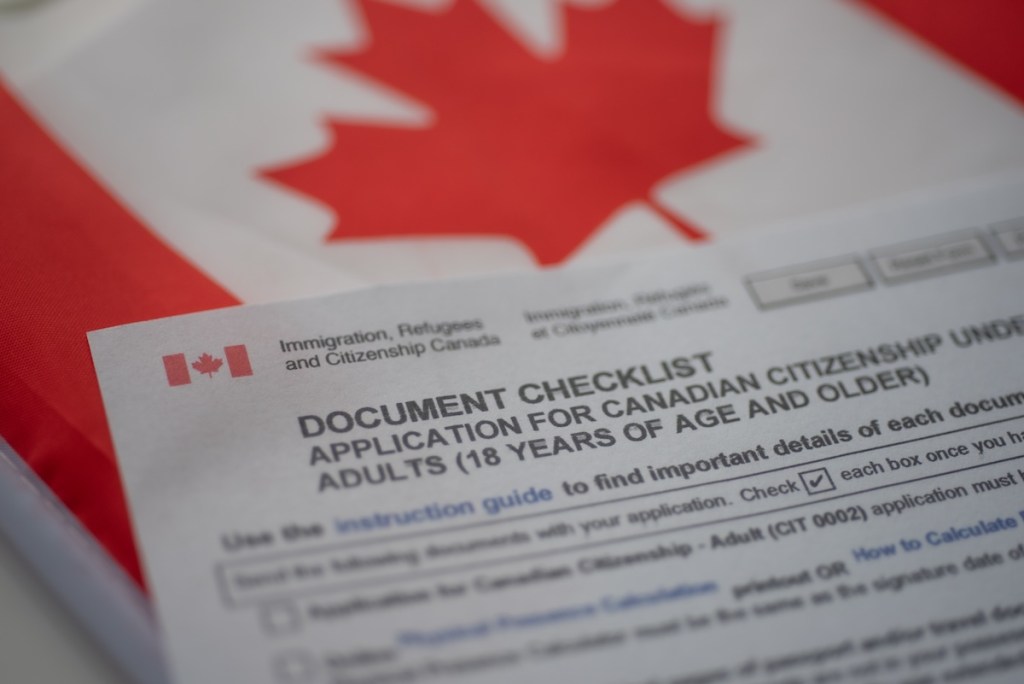
Canada just dropped one of the most meaningful citizenship updates in over a decade and if you advise families, newcomers, or Canadian expats, this is news worth bookmarking.
Bill C-3, An Act to amend the Citizenship Act (2025), has officially received Royal Assent, and while it isn’t in force yet, its impact is already sending waves through the Canadian immigration world.
Let’s break down what this means, who benefits, and how families should start preparing now.
The Heart of the Announcement: A More Inclusive Citizenship Act
For years, many Canadians living abroad — and even some living in Canada — found themselves tangled in outdated rules about who could pass citizenship to their children.
The biggest culprit?
The first-generation limit, introduced in 2009, which restricted citizenship by descent to only the first generation born abroad.
This left many people effectively “Canadian in every way except on paper.” Think of:
- Canadians raised in Canada but born abroad,
- Canadians who adopted children overseas,
- Families split because one parent couldn’t pass citizenship to their child, even if they had deep ties to Canada.
Bill C-3 fixes this.
Once it comes into force, citizenship will be restored or newly granted to people who would have been citizens if not for outdated rules — including the first-generation limit. This is not a small adjustment. It’s a generational correction.
Children Born Abroad After the Law Comes Into Force
Moving forward, Canada is introducing a modern, consistent rule: A Canadian citizen who was born or adopted outside Canada will be able to pass citizenship to their own child if they have a “substantial connection” to Canada.
Although IRCC hasn’t published final details yet, “substantial connection” is expected to require meaningful ties — such as time spent living in Canada.
In simple terms: Canada wants to allow mobility for citizens, without creating infinite generations of citizenship among people with no real ties to the country.
Fairness + connection = the new formula.
Who Will Benefit Immediately?
Canadians whose children were previously not eligible for citizenship
Those children — now adults or still minors — may automatically become citizens once the law comes into force.
Individuals excluded because of historical rules
This includes “Lost Canadians” or groups affected by gender-based or outdated legislative distinctions.
Canadian families living abroad who want to plan futures in Canada
This update opens the door for smoother family reunification and long-term planning.
When Does the Law Come Into Force?
Not yet — and this is where your expertise becomes important. The government must issue an Order in Council announcing the effective date. Until then, no applications are accepted under the new rules, and no automatic citizenship is granted.
But families should begin preparing now, especially those who may need to prove their Canadian connection, parentage, or historical exclusion.
What Clients Should Do Now
This is where RCICs shine — preventing chaos when the floodgates open.
- Identify potential beneficiaries early
Clients with children born abroad or with complex family histories should gather documents now. - Review proof of Canadian ties
Particularly for Canadians born abroad who will need to show a “substantial connection.” - Organize citizenship evidence
Old passports, birth records, adoption documents, and parent citizenship records will matter. - Plan for timelines and next steps
Once IRCC opens the process, volume will be high. Being ready means avoiding long waits.
Big Picture: Temporary Status Isn’t What It Used to Be
For years, Canada built a system where temporary residents — whether students, workers, or visitors — formed an integral bridge toward labour supply, economies, and eventual landing in the permanent resident pool. That paradigm is shifting.
The new approach is less about volume, and more about control: prioritizing commitment, labour-market relevance, and system integrity — over rapid growth.
If you or your clients are thinking about temporary residence in 2025-2026, it’s time to recalibrate strategies. Expect more due diligence. Expect more refusals. And most of all — expect planning, documentation, and pathway alignment to matter more than ever.
What This Means Big-Picture
This reform is about more than paperwork. It’s about modernizing a system that hasn’t kept up with the reality of global families.
Canada is reinforcing a principle that resonates with so many newcomers and expats:
Citizenship is rooted in genuine connection — but it should never punish families for where life takes them.
If you believe you or your children may be affected by this update, now is the perfect time to review your case.
Whether you’re:
- a Canadian living abroad,
- a parent of a child born outside Canada, or
- someone who was excluded by old rules…
Legacy North Immigration can help you assess eligibility, prepare documentation, and be ready the moment the law comes into force.
Don’t wait until IRCC opens the floodgates — be first in line, and be prepared.
Book a consultation today.